
June 30, 2026
June 10, 2026
February 17, 2025
February 17, 2025
₹ 500/-
₹ 2500/-
₹ 3000/-
Urban expansion is moving faster than ecological planning. Concrete replaces soil, and heat replaces shade. Rising temperatures, polluted air, and shrinking green spaces are not distant problems. They are daily realities. Strengthening tree cover and protecting existing green zones is no longer optional. It is necessary for healthier cities and future stability.
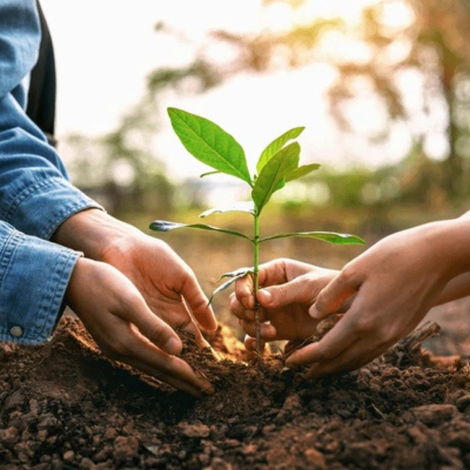
Tree plantation must go beyond symbolic drives. Native species selection, soil suitability, water access, and long-term maintenance determine whether a sapling survives or dries out after a season. Survival rates matter more than plantation counts. When communities, housing societies, and local institutions participate in ongoing care, trees grow into assets that reduce heat, improve air quality, and support biodiversity over time.
Every mature tree absorbs carbon dioxide and strengthens the microclimate around it. In dense urban neighborhoods, even a modest increase in green cover can gradually lower environmental stress. Carbon consciousness is not about global conversations alone. It begins in local streets, public spaces, and residential areas. Preservation of existing trees is equally critical, as older trees hold deeper ecological value than newly planted saplings.
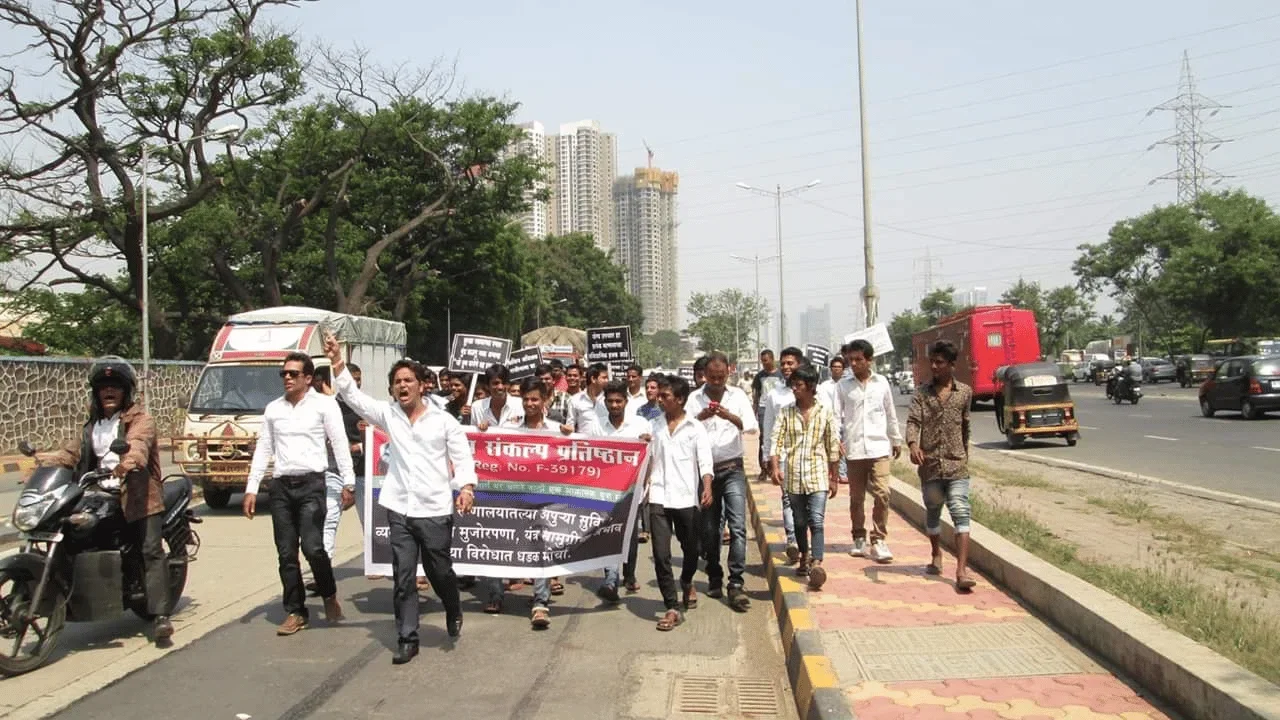
Lasting environmental change happens when people feel ownership. Awareness programs, neighborhood participation, and local monitoring create accountability. Ecological responsibility grows stronger when citizens understand that environmental protection is not an event, but a continuous effort. Healthier cities are built through steady care, not temporary campaigns.
Protecting trees today is protecting breathable air, cooler cities, and the basic health of the next generation.
We will share recent updates and progress of this campaign here. Stay tuned for the latest developments and success stories.