When Waste Becomes a Resource: Building a Structured Recycling Ecosystem
In many Indian cities, waste is treated as an end point. Once it leaves a home, hotel, or industry.
Together, we are not just addressing challenges, we are building sustainable futures rooted in accountability and resilience.
By supporting fair linkage, and structured livelihood models, income stability improves and nutrition security becomes stronger
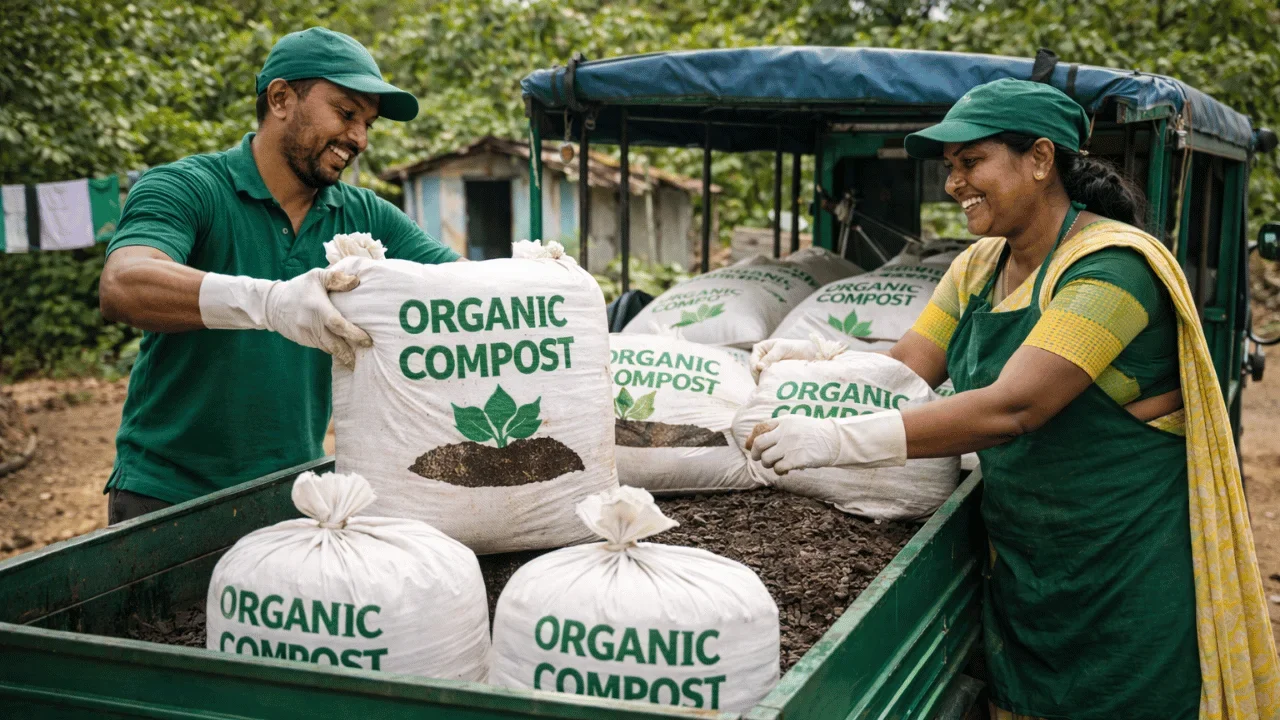
By supporting structured segregation, scientific wet waste processing, and accountable recycling systems.
Strengthening access to primary healthcare ensures that illness is addressed on time and stability is protected before conditions worsen.
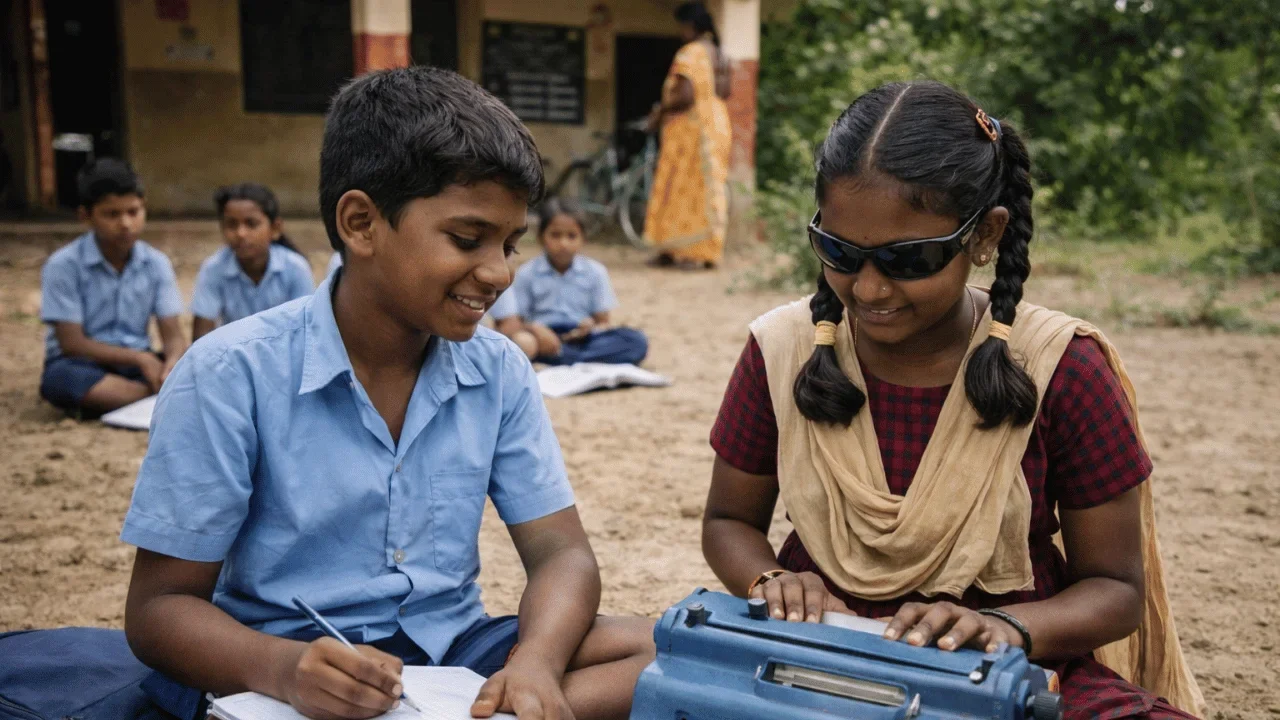
Strengthening access to learning ensures that financial hardship does not decide a child’s future.
By supporting structured segregation, scientific wet waste processing, and accountable recycling systems, you help reduce landfill pressure while strengthening dignified livelihoods within the recycling network.
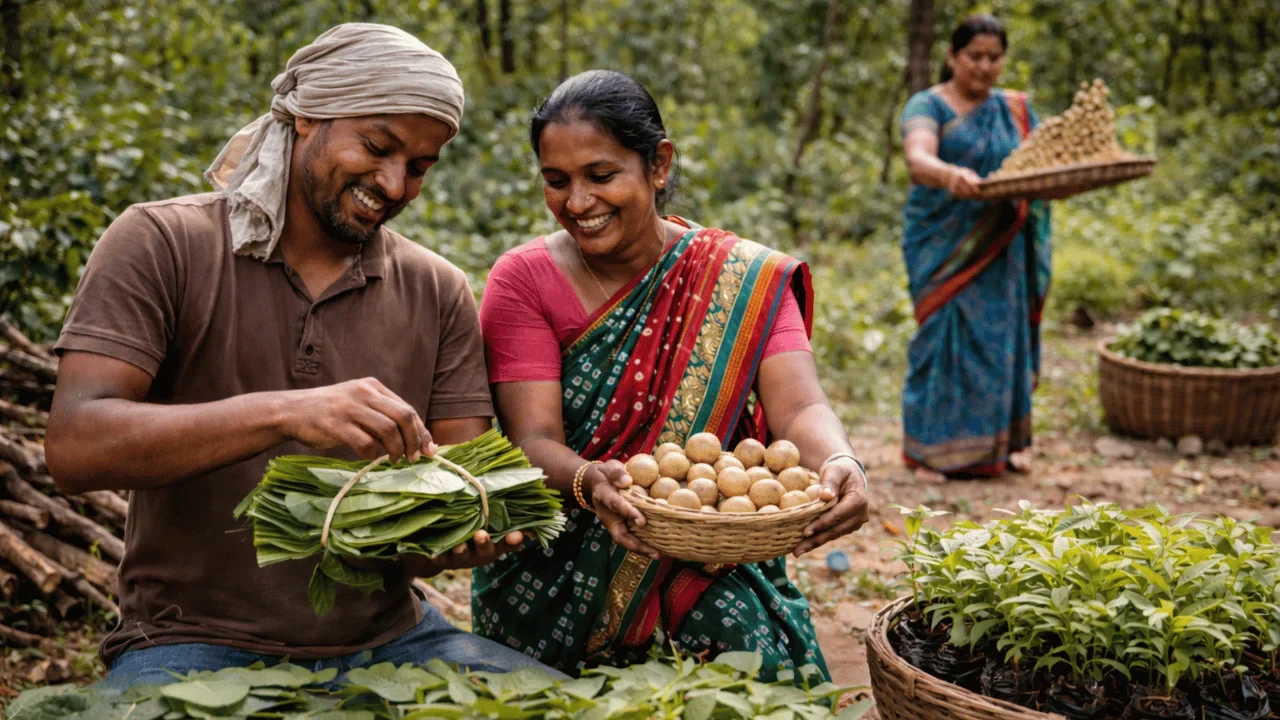
For many tribal families, the forest is both income and identity. Yet unstable pricing and limited market access reduce the true value of their hard work. By supporting fair linkage, value addition, and structured livelihood models, income stability improves and nutrition security becomes stronger within the community.
Strengthening access to primary healthcare ensures that illness is addressed on time and stability is protected before conditions worsen.
Together, we are not just addressing challenges, we are building sustainable futures rooted in accountability and resilience.
Strengthening access to learning ensures that financial hardship does not decide a child’s future.
Aloka Foundation builds structured environmental and livelihood systems designed to create long-term, measurable impact. Our work spans responsible waste segregation, circular recycling models and wet waste conversion, ensuring environmental compliance while reducing landfill burden. We collaborate with municipal bodies, industry stakeholders and community networks to build accountable systems that protect natural resources and promote climate responsibility.
Alongside environmental action, we strengthen tribal livelihoods through fair forest produce pricing, market linkages and value addition initiatives. We also support access to essential educational resources for underprivileged children. Our approach ensures sustainability and dignity progress together.
Our initiatives integrate environmental responsibility, livelihood empowerment and community development through structured, measurable systems designed to create long-term sustainable impact.
We promote segregation at source, municipal collaboration and structured recycling systems.
Through recycled granule production and industry partnerships, we create reuse-driven models.
We establish fair market linkages for forest produce, enable value addition to honey and jungle products.
By strengthening household income systems and reducing exploitation, we help address malnutrition in tribal children.
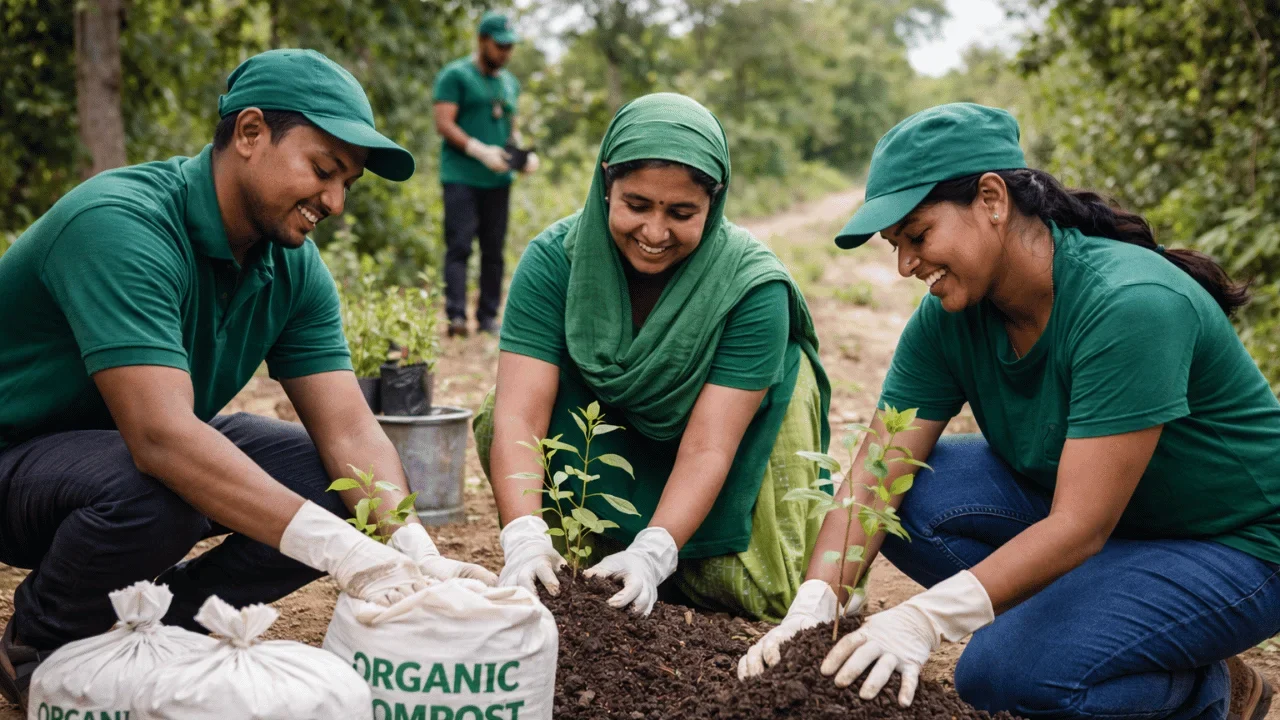
Our plantation initiatives encourage carbon consciousness, urban ecological balance and active community participation .
We provide essential learning resources and accessibility tools for underprivileged and visually impaired students.
Driving environmental responsibility and community empowerment through structured systems that create measurable, sustainable and dignified long-term social impact.
Urban plantation, preservation of existing trees, and community-led ecological responsibility to strengthen green cover.
Practical support to children from underserved backgrounds through learning resources, essential tools, and access pathways.
Structured segregation, recycling, and regulated waste channelization that reduces landfill burden.
Strengthening tribal income through fair market linkage, forest produce value addition, and nutrition stability rooted in dignity.
For many low-income families, This initiative supports primary healthcare, essential treatment, and early diagnosis.
Urban plantation, preservation of existing trees, and community-led ecological responsibility to strengthen green cover and carbon awareness.
Practical support to children from underserved backgrounds through learning resources, essential tools, and access pathways.
Volunteering with Aloka Foundation means contributing to structured, measurable change. From supporting waste segregation drives and tree plantation efforts to assisting in tribal livelihood programmes and education outreach, your time directly strengthens responsible community systems.
We work alongside committed individuals who believe sustainability and dignity must move forward together. As a volunteer, you become part of initiatives that protect natural resources, empower vulnerable families and promote long-term accountability. Your involvement helps transform responsibility into real, lasting impact.
Together, we build structured systems that protect the environment, strengthen livelihoods and restore dignity.
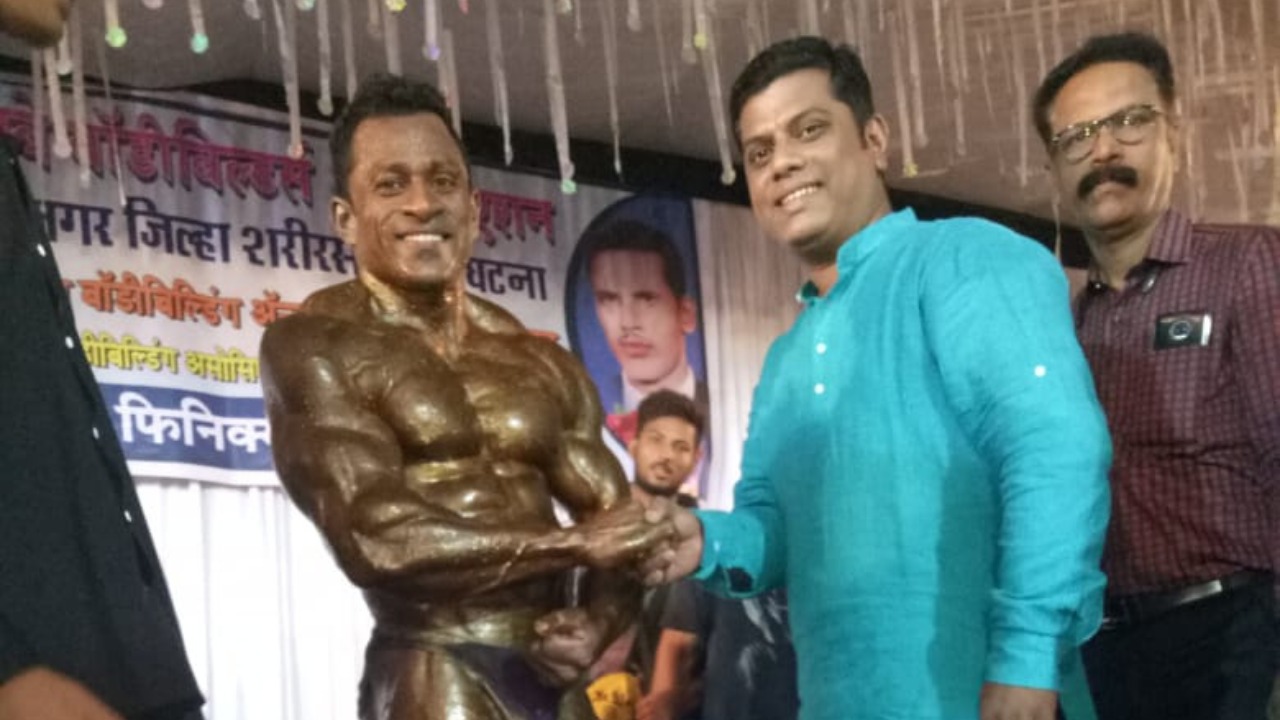
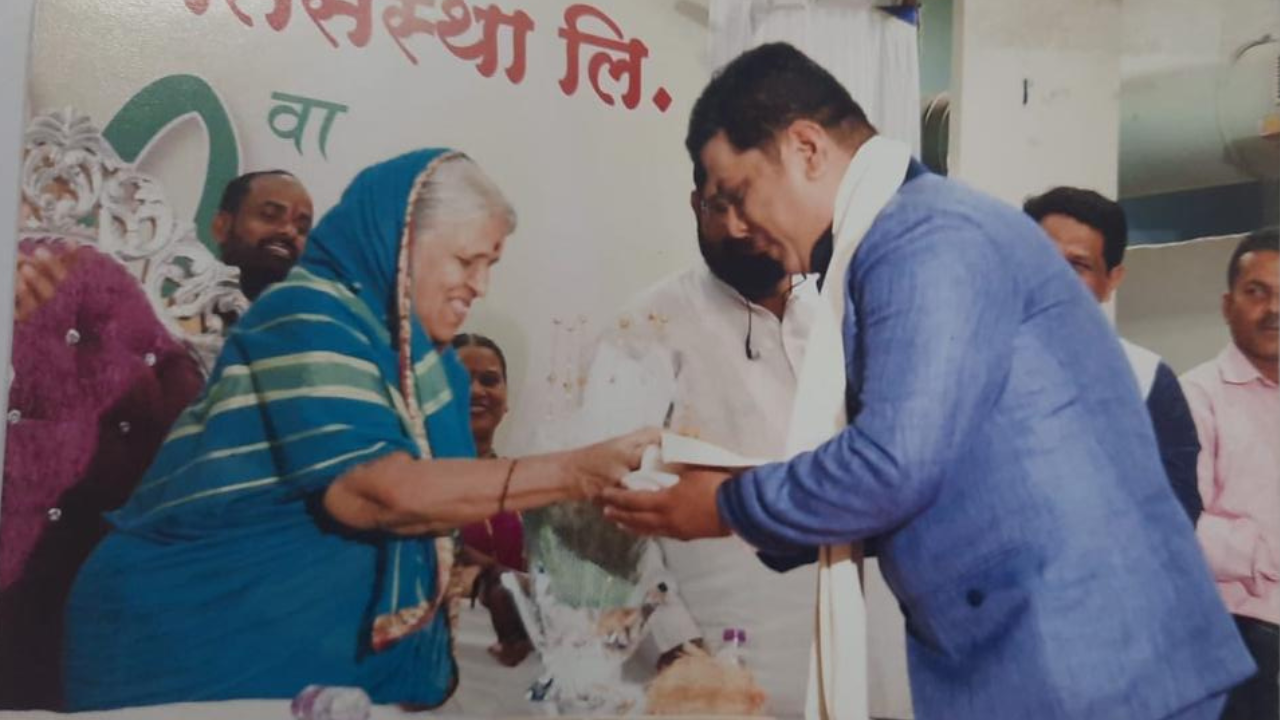
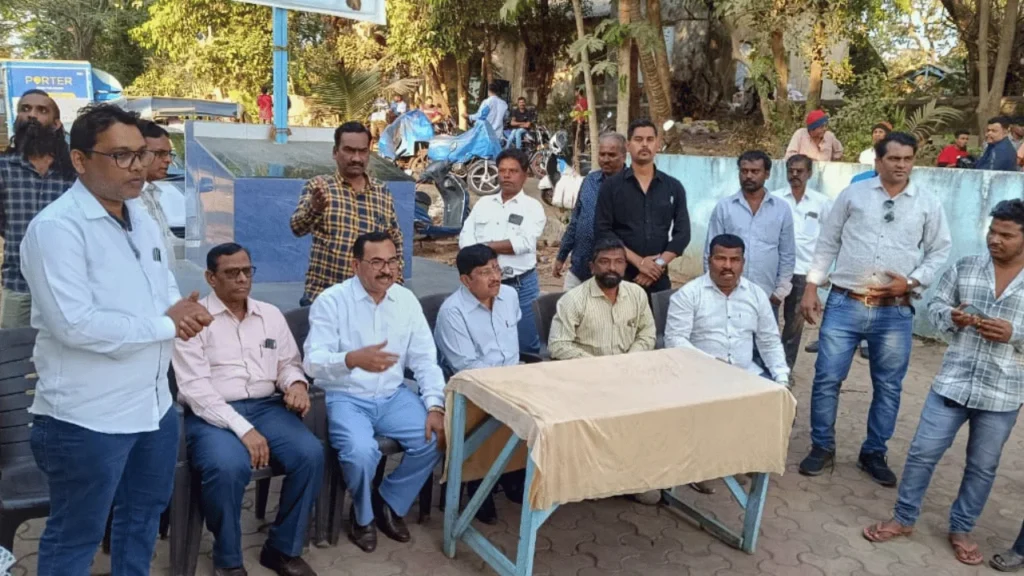
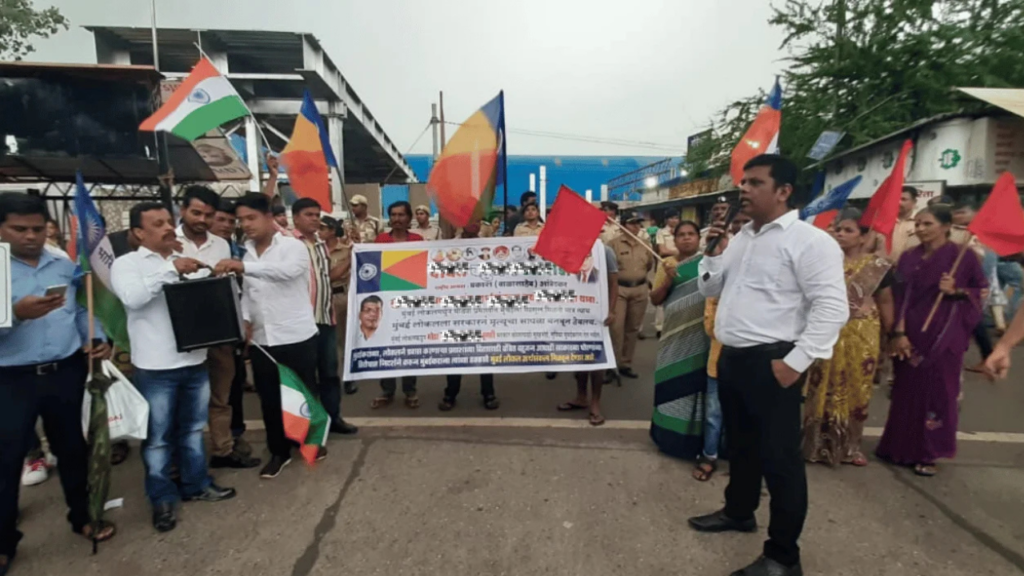
The latest news coverage highlights the importance of these grassroots movements in shaping a cleaner, more sustainable future for all.
Real change begins when dignity meets structure. Through responsible waste management, fair tribal market systems and access to essential resources, we create sustainable pathways that strengthen both people and the planet.
Your support strengthens communities, protects natural resources and restores dignity where it is needed most. Every contribution helps us build structured environmental and livelihood systems that create measurable impact, promote accountability and ensure sustainable opportunities for vulnerable families and future generations.
Aloka Foundation works to build a structured ecosystem that combines environmental responsibility, tribal livelihood development, education support and community well-being, ensuring sustainable and dignified impact.
We promote segregation at source, collaborate with municipal authorities and industry partners, enable recycled material production, and integrate informal waste workers into a structured circular economy model.
Our recycling systems, wet waste conversion processes and carbon-compliant practices reduce landfill burden and contribute towards measurable environmental accountability.
We strengthen tribal livelihoods by creating fair market linkages for forest produce, promoting value addition to honey and jungle products, and addressing malnutrition through income stability.
Explore insights, field experiences and real stories from our environmental, livelihood and education initiatives- reflecting responsibility, resilience and measurable transformation across communities.

In many Indian cities, waste is treated as an end point. Once it leaves a home, hotel, or industry.


Planting a sapling is easy. Ensuring that it survives is where responsibility begins. In rapidly expanding cities.
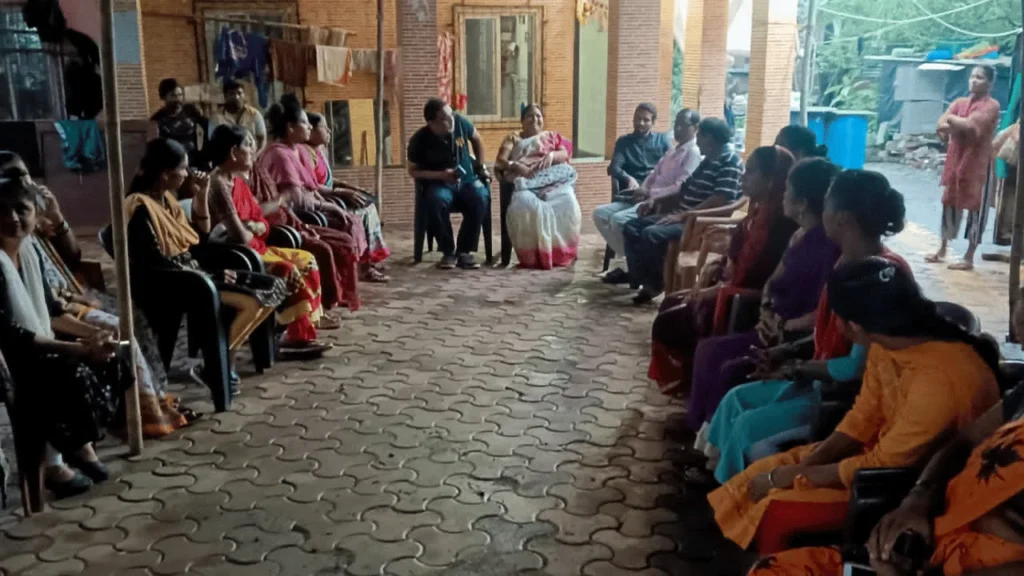
In many tribal regions, the forest is not just geography. It is livelihood, food source, culture, and identity.
Explore how Aloka Foundation is driving environmental responsibility and empowering communities through waste management, recycling innovation, tribal livelihood support and education initiatives. Follow our latest activities, collaborations and on-ground impact stories.