About Us


Responsibility That Shapes Sustainable Futures
Aloka Foundation was founded with a clear belief: sustainability must be structured, measurable and rooted in dignity. True development cannot exist without environmental accountability, and social progress cannot succeed without empowering the communities most affected by inequality.
We work at the intersection of environmental responsibility and community livelihood, building systems that create long-term stability rather than temporary relief. Every programme we implement is designed to generate measurable impact while restoring respect and opportunity.
Support our Mission
Solid Waste Management
We promote segregation at source, partner with municipal authorities and industry, and build recycling systems that reduce landfill waste. Through recycled granule production and wet waste conversion, we support climate responsibility and stable livelihoods.
Adivasi Livelihood & Forest Dignity
We empower tribal communities through fair market linkages for honey and forest produce. Transparent pricing and value addition reduce exploitation, strengthen income stability, and improve child nutrition and long-term household resilience.
Environment & Tree Preservation
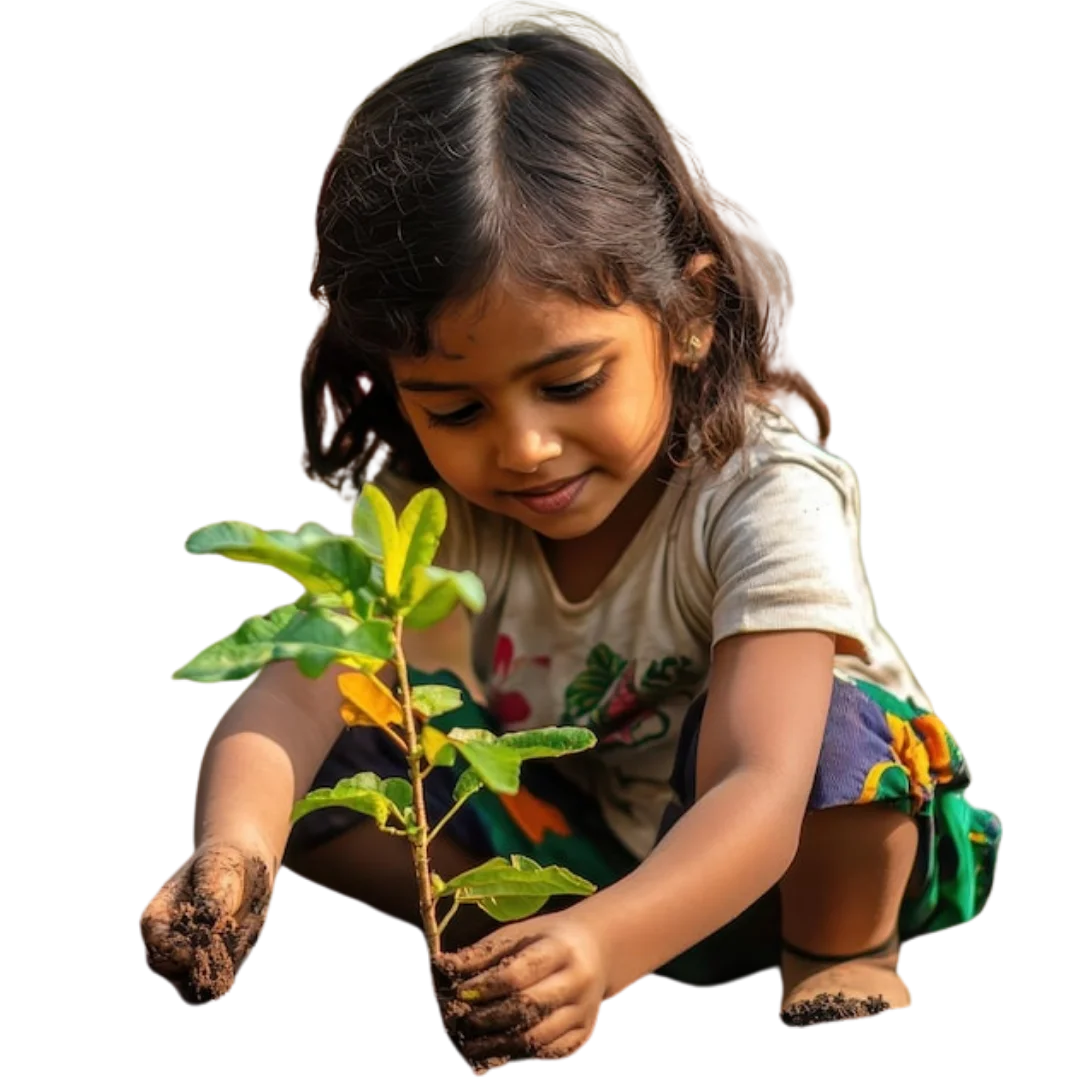
Our plantation and preservation initiatives promote urban ecological balance and carbon consciousness. We engage communities in protecting green spaces, recognising that environmental restoration is a shared responsibility.
Education & Accessibility Support
We support underprivileged and visually impaired students by providing essential learning resources and accessibility tools. Education must be inclusive, equitable and empowering — not limited by economic circumstance.
What we do
We build structured environmental and livelihood systems that reduce waste, empower tribal communities and expand equitable educational access sustainably.
Guided by purpose and responsibility

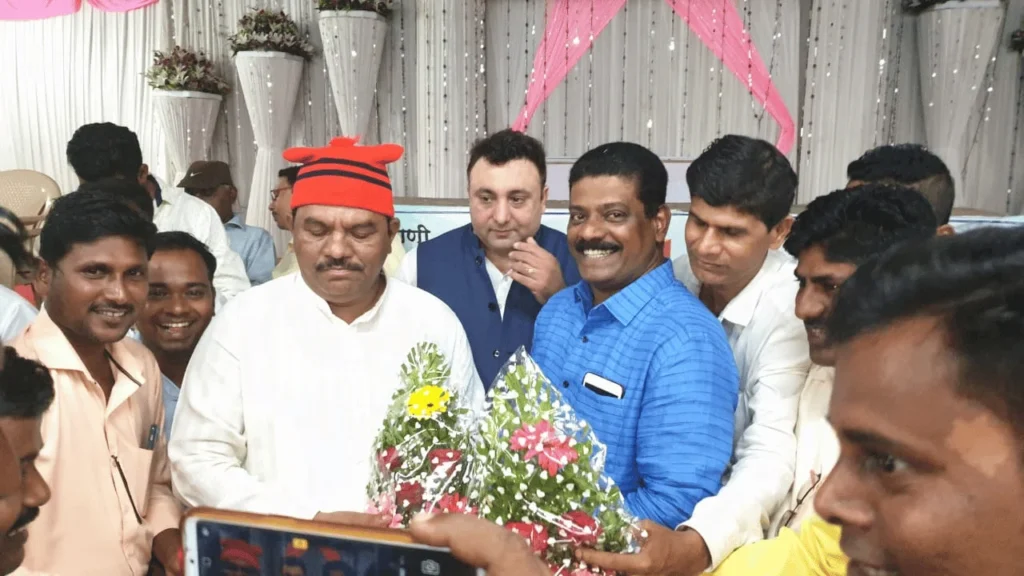
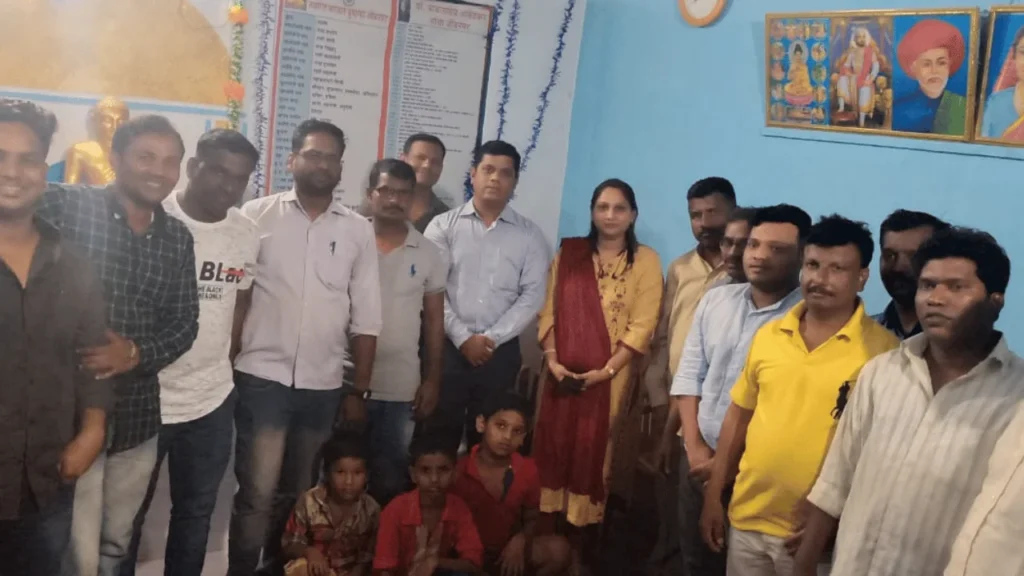
We work alongside communities, civic bodies and industry partners to build structured environmental and livelihood systems that create measurable, sustainable and dignified long-term impact.
Our Mission
To implement structured environmental and livelihood systems that reduce waste, strengthen tribal incomes, improve nutrition, and expand equitable access to education for vulnerable communities.
Our Vision
To create a future where environmental responsibility safeguards natural resources, ensures fair livelihoods for tribal communities, and guarantees equitable educational opportunities for every child.


A message from our founder
Aloka Foundation was born from a simple conviction — responsibility must be lived, not spoken. I have always believed that environmental protection and community dignity are inseparable. When waste is managed responsibly, when forest produce receives fair value, and when children gain access to education, we do more than solve problems — we build stability.
Our journey began with the vision of creating structured systems that endure. From segregation at source and circular recycling models to tribal livelihood empowerment and educational support, every initiative reflects accountability and long-term thinking.
We are not here to provide temporary relief. We are here to build sustainable ecosystems that strengthen communities and protect natural resources for generations to come.
Thank you for walking this journey with us.
Our journey of responsible impact
From structured waste systems to dignified tribal livelihoods, our journey reflects accountability, measurable progress and a long-term commitment to sustainable community development.
01
Laying the Foundation
We began by promoting segregation at source and establishing strong partnerships with municipal authorities, creating structured waste management systems that reduce landfill burden and introduce accountability into local environmental practices.
02
Strengthening Circular Systems
Through recycled granule production and organised wet waste conversion processes, we expanded sustainable circular models that minimise environmental strain, reduce disposal dependency and encourage responsible participation from industry stakeholders.
03
Empowering Tribal Communities
We established fair market linkages for forest produce, introduced transparent pricing structures and enabled value addition systems that improve income stability, strengthen nutrition security and restore dignity within tribal households.
04
Expanding Social Responsibility
We integrated environmental protection, educational access and livelihood inclusion into structured development frameworks designed to deliver measurable outcomes, strengthen community resilience and promote long-term sustainable growth.